Haiva Font: Blending Natural Elegance with Modern Design
In a digital landscape saturated with crisp, uniform typefaces, a font that captures the authentic, human touch can be a game-changer for your creative projects. The Haiva font is a modern hand-lettering typeface that masterfully blends natural elegance with a casual, organic feel, offering designers a powerful tool to inject warmth and personality into their work.
Understanding Haiva's Design Philosophy
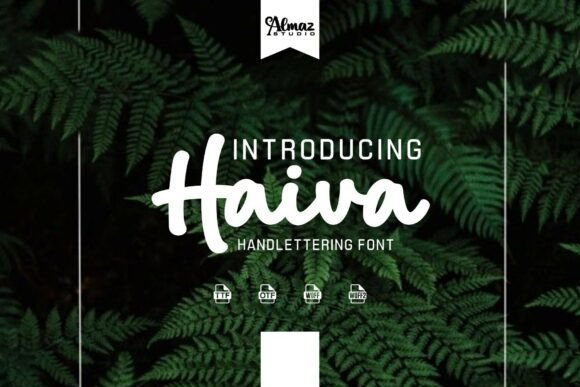
Haiva is crafted with smooth, flowing strokes and slightly imperfect curves, which is the secret to its appeal. It replicates the authentic look of handwritten script while maintaining the excellent readability required for professional applications. This balance is crucial in graphic design, where visual charm must coexist with clear communication. Its balanced letterforms create a harmonious rhythm, making it versatile enough for both impactful short phrases on a logo design and longer text compositions in editorial layouts.
Practical Applications Across Creative Fields
The true value of a typeface like Haiva lies in its adaptability. It serves as a versatile creative asset that can elevate a wide array of visual design projects. Consider its role in strengthening brand identity—a logo set in Haiva immediately conveys a brand that is approachable, authentic, and connected to craftsmanship. This makes it ideal for artisanal goods, wellness brands, boutique studios, and lifestyle businesses.
Beyond logos, Haiva shines in applications where a personal touch enhances user engagement:
- Marketing & Social Media Graphics: Use Haiva for headlines, quotes, or call-to-action elements to create social media graphics that feel personal and relatable, cutting through the noise of standard corporate fonts.
- Packaging Design: On product labels and boxes, its handwritten quality reinforces a product's handcrafted or natural origins, directly appealing to consumer desires for authenticity.
- Digital & Web Design: When used strategically in UI design—for example, in hero sections, feature titles, or testimonial quotes—it adds a layer of human warmth to an otherwise functional interface, improving the overall user experience.
- Print & Editorial Design: In invitations, greeting cards, magazine pull quotes, or chapter headings, Haiva introduces an elegant, personal flair that complements a sophisticated color palette and layout.
Tips for Effective Typographic Integration
Integrating a display font like Haiva into your design workflow requires thoughtful execution to maintain a professional presentation. First, always prioritize readability and visual hierarchy. Haiva is best used for display purposes—headings, logos, and short calls-to-action—paired with a clean, neutral sans-serif or serif font for body text to ensure legibility and create clear contrast.
Second, consider consistency across your brand identity system. Define clear rules for where and how the font will be used. Does it only appear in the primary logo? Or can it be used for all main headings? Establishing these guidelines prevents visual chaos and strengthens brand recognition. Finally, always test the font in context. View it alongside your chosen color palette, imagery, and other design elements to ensure it contributes to a cohesive and polished modern aesthetic.
Haiva is distributed in multiple formats (TTF, OTF, WOFF, WOFF2), ensuring seamless compatibility across design software, web platforms, and various digital products. This technical flexibility allows it to be a reliable component in any designer's toolkit, from print design to web design and digital marketing assets.
Ultimately, selecting the right typography is a fundamental aspect of effective visual communication. A font like Haiva, with its stylish yet approachable character, does more than just display words; it conveys mood, builds trust, and creates an emotional connection with the audience. Investing in high-quality, purpose-driven design inspiration and assets is what transforms good design into great communication, ensuring your message is not only seen but felt.